Maca (Lepidium meyenii) is a root vegetable grown high in the Peruvian Andes, related to broccoli and cabbage rather than to any typical "herbal supplement" plant. It's been part of Andean diets for centuries, and in the last two decades it's become one of the most commonly studied natural ingredients for libido and energy — with a research angle that's a bit different from most vitality botanicals.
Quick Answer
Multiple small clinical trials suggest maca root may modestly increase sexual desire and subjective sexual well-being in men, typically after 6–12 weeks of use. Unlike many vitality ingredients, maca's effect doesn't appear to rely on changing testosterone levels — researchers believe it may work through compounds called macamides that interact with neurotransmitter systems instead.
What Makes Maca Different
Most male vitality ingredients are studied for a hormonal effect — usually testosterone. Maca is unusual because several trials have found libido benefits without a significant change in testosterone or estrogen levels. This has led researchers to focus on maca's unique fatty-acid derivatives, called macamides, which are thought to act on the body's neurotransmitter and mood pathways rather than directly on hormones.
Libido and Sexual Well-Being
This is maca's best-known research area. In one commonly cited 12-week double-blind trial, men reported roughly a 40% increase in subjective sexual desire and well-being while taking maca, compared to a smaller change in the placebo group. Other small trials have reported improvement in mild erectile difficulty after several weeks of consistent use, though maca is not positioned or studied as a treatment for clinical erectile dysfunction.
Energy and Mood
Traditional use of maca in the Andes has long included it as an energy and endurance food, and some modern research supports mild energizing and mood-stabilizing effects. The evidence here is more limited than the libido research, but it's consistent with maca's traditional reputation — and it may partly explain why some men notice a difference in general vitality, not just libido specifically.
Stamina and Athletic Performance
A smaller set of studies has looked at maca's effect on endurance and physical performance, with some early evidence of modest benefit. This remains one of the less-studied areas compared to maca's libido research.
Typical Dosing in Research
Clinical trials most commonly use 1.5 to 3 grams of maca root powder or extract daily, for 6 to 12 weeks, with benefits generally building gradually rather than appearing right away.
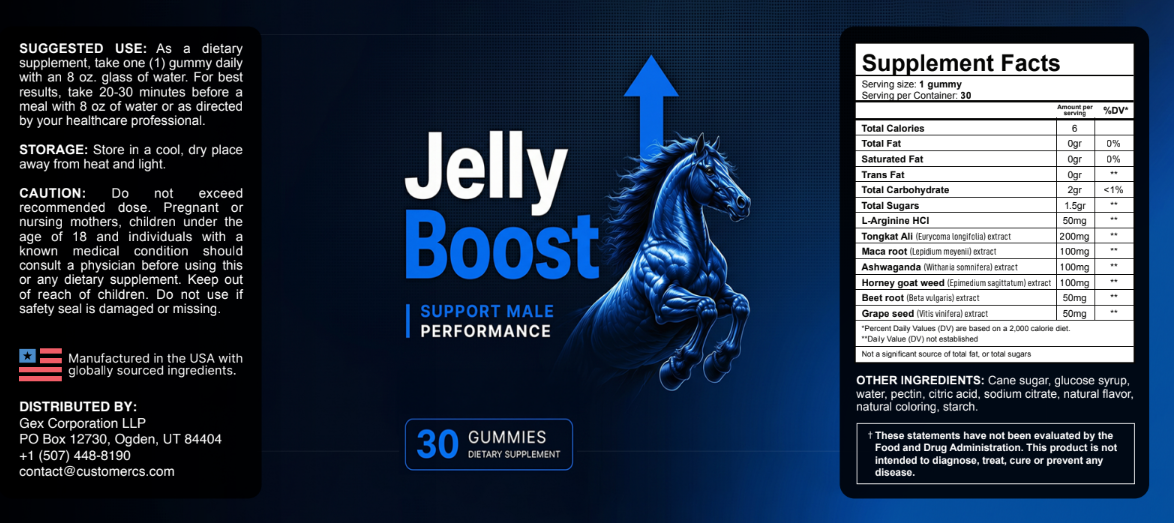
Maca Root In JellyBoost
JellyBoost includes 100mg of Maca Root (Lepidium meyenii extract) per gummy, as part of a seven-ingredient formula alongside Tongkat Ali and Ashwagandha. See the full label on the JellyBoost landing page.
View The Full JellyBoost FormulaFrequently Asked Questions
Does maca root raise testosterone?
Most research suggests maca's libido effects happen without a significant change in testosterone, which sets it apart from ingredients like Tongkat Ali.
How long does maca take to work?
Clinical trials generally measured effects after 6 to 12 weeks of consistent daily use, not after a single dose.
Is maca root the same as maca powder from a health food store?
Both come from the same plant, but supplement extracts are often standardized for consistency, while raw maca powder can vary more in potency batch to batch.
This article is for general educational purposes only and is not medical advice. It summarizes publicly available research on maca root as an ingredient and is not a claim about the clinical effect of any specific finished product, including JellyBoost. These statements have not been evaluated by the FDA. Consult a healthcare professional before starting any new supplement.