The male vitality supplement category is crowded, and a lot of products look nearly identical from the outside — similar claims, similar bottle designs, similar "proprietary formula" language. If you're trying to figure out what's actually worth buying, the ingredient list and label are usually more useful than the marketing page. Here's what's worth checking before you buy anything.
Quick Answer
Look for a full, dosed ingredient list (not a hidden "proprietary blend"), a GMP-certified and FDA-registered manufacturing facility, ingredients with real research behind them, a format you'll actually stick with, and a guarantee period of at least 60 days.
1. Is There a Full, Dosed Ingredient List?
This is the single biggest red flag to check first. Some supplements hide their ingredients behind a "proprietary blend" label that lists ingredient names but not individual amounts — which makes it impossible to know if you're getting a clinically relevant dose of anything, or mostly filler. Look for a label that lists each active ingredient with its specific milligram amount, the way a standard supplement facts panel does.
2. Are the Ingredients Actually Researched?
Not every "vitality" ingredient has the same evidence behind it. Some, like Ashwagandha and L-Arginine, have a reasonably large body of human clinical research. Others, like Horny Goat Weed, are backed mostly by traditional use and early-stage lab research. That doesn't automatically make an ingredient bad — but it's worth knowing which category each ingredient in your supplement falls into, rather than assuming every botanical on the label has the same level of proof behind it. We've broken down the research on each major ingredient in our ingredient guides.
3. Where and How Is It Manufactured?
Look for two specific things on the label or website: GMP certification (Good Manufacturing Practice, a quality-control standard) and FDA facility registration (meaning the manufacturing facility is registered with the FDA — note this is different from FDA "approval" of the product itself, which dietary supplements don't receive). Together, these indicate the product was made under audited quality and safety processes, even though the FDA doesn't evaluate supplement claims before they reach the market.
4. Does the Format Fit Your Routine?
The most "optimal" formula on paper is worthless if you don't actually take it consistently. Multi-capsule regimens (4-6 pills a day) are harder to stick with long-term than a single daily serving. If you're comparing a gummy to a capsule with a similar ingredient list, the deciding factor often comes down to which one you'll realistically take every single day — consistency matters more than format for a supplement that's designed to be taken daily over weeks or months.
5. Is Pricing Transparent, With No Hidden Subscription?
Check whether the checkout is a one-time purchase or an auto-renewing subscription, and whether per-bottle pricing is clearly shown for each package size before you enter payment information. Bulk/multi-bottle pricing is standard in this category since most formulas are designed for weeks-to-months of consistent use — but you should be able to see exactly what you're paying per bottle, not just a bundled total.
6. Is There a Real Money-Back Guarantee?
Because most vitality ingredients (per the research summarized in our ingredient guides) take several weeks of consistent use to show an effect, a short 14- or 30-day guarantee often isn't long enough to fairly evaluate a product. Look for a guarantee window of 60 days or more, with clear, specific terms for how to request a refund — not vague "satisfaction guaranteed" language with no actual process behind it.
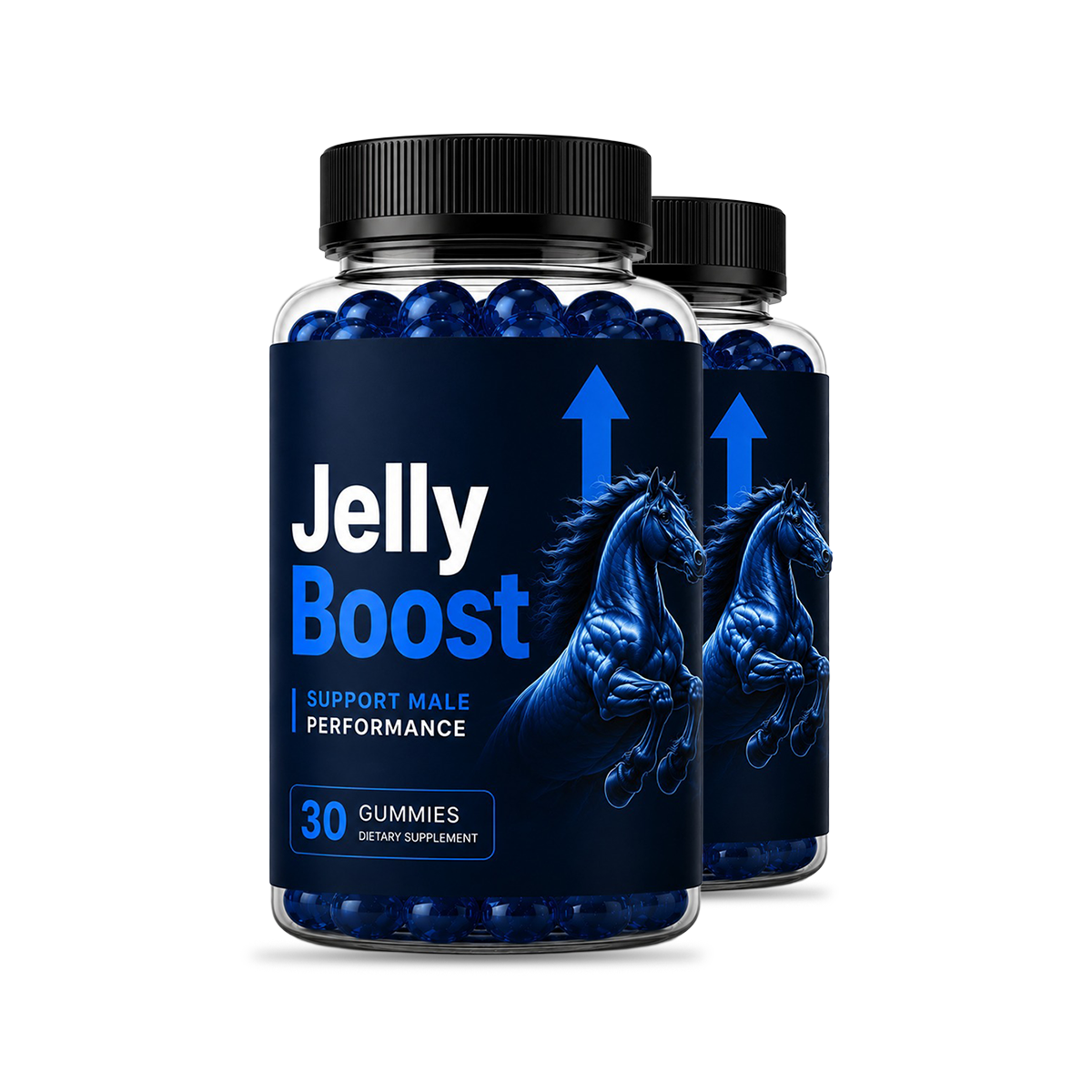
How JellyBoost Stacks Up Against This Checklist
Full dosed label (7 ingredients, each with exact mg amounts) · GMP-certified, FDA-registered U.S. facility · one gummy daily, no multi-pill routine · one-time purchase, no subscription · 60-day money-back guarantee.
See JellyBoost's Full Label & PricingFrequently Asked Questions
What's wrong with a "proprietary blend"?
It's not automatically a scam, but it does mean you can't verify you're getting an effective dose of any single ingredient, since only the total blend weight is disclosed, not individual amounts.
Does FDA registration mean a supplement is FDA-approved?
No. Dietary supplements aren't approved by the FDA before sale. Facility registration means the manufacturing site follows FDA-monitored practices — it's a manufacturing-quality signal, not a product endorsement.
How long should I try a vitality supplement before judging it?
Based on the research patterns across ingredients like Ashwagandha, Tongkat Ali and Maca Root, most clinical studies ran 4 to 12 weeks before measuring results — which is a reasonable real-world timeframe to expect as well.
This article is for general educational purposes only and is not medical advice. It reflects general supplement-shopping considerations and is not a claim about the clinical effect of any specific finished product, including JellyBoost. These statements have not been evaluated by the FDA. Consult a healthcare professional before starting any new supplement.